Common problems with hedge trimming gardeners Teddington
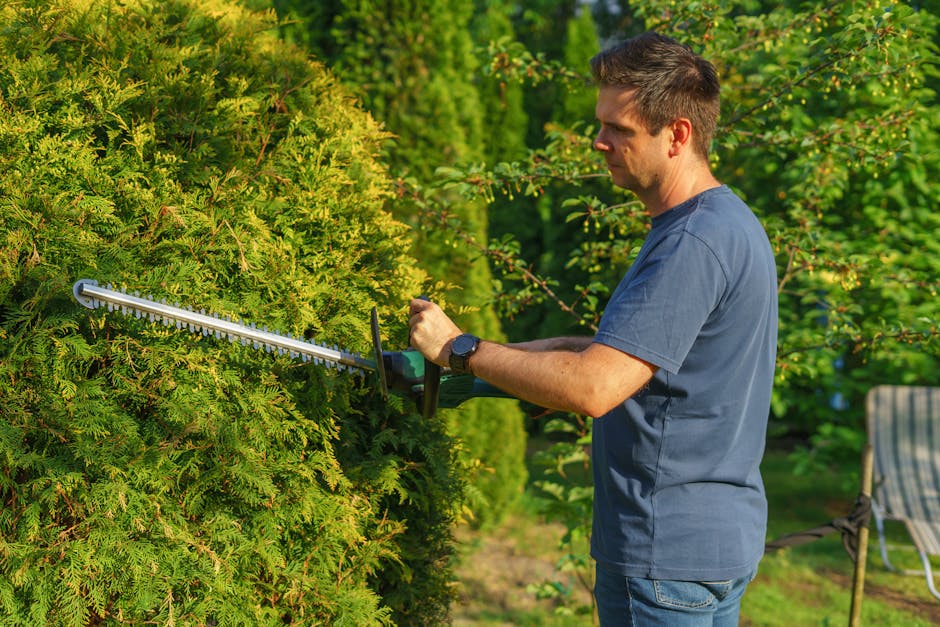
If you have ever looked at a hedge after a "quick tidy-up" and thought, well, that is not quite right, you are in good company. Common problems with hedge trimming gardeners Teddington come up more often than most people expect, and they usually show themselves in small ways first: uneven tops, brown patches, blocked light, missed growth, or a hedge that suddenly looks a bit overworked and tired.
The tricky part is that hedge trimming looks simple from the road. In reality, getting a clean, healthy finish takes timing, judgement, the right tools, and a decent eye for shape. This guide breaks down the real-world problems people run into, why they matter, how the work should be handled, and what to watch for before you book anyone in. It is written for homeowners who want a tidy garden, but also want the hedge to stay healthy afterwards.
- Why these problems matter
- How hedge trimming should work
- Key benefits of getting it right
- Who this is for
- Step-by-step guidance
- Expert tips for better results
- Common mistakes to avoid
- Tools and recommendations
- Law, compliance and best practice
- Options and comparison table
- Real-world example
- Practical checklist
- Conclusion
- Frequently asked questions
Why Common problems with hedge trimming gardeners Teddington Matters
A hedge is not just a green boundary. It affects privacy, safety, light, kerb appeal, and the overall feel of the garden. When trimming is done badly, the result can be a hedge that looks lopsided for months, or one that slowly weakens because it was cut at the wrong time or with the wrong technique.
In Teddington, where many gardens are close to neighbours, walls, paving, decking, and narrow side access, hedge trimming has an extra layer of difficulty. A gardener may need to work carefully around fences, paths, sheds, and mature planting. One awkward angle and a clean line becomes a bit of a battle. To be fair, that is where experience shows.
Common issues matter because they often affect more than appearance. Over-trimming can expose bare wood. Poor cleanup can leave debris on lawns or hard surfaces. Missed inspections can mean pests, disease, or hidden deadwood are overlooked. If your hedge borders a driveway or path, overgrowth can also become a practical nuisance fast.
If you are planning wider garden work, hedge trimming also sits neatly alongside routine garden maintenance, and in some cases it makes sense to think about surrounding features too, such as landscaping or even decking services if the outdoor space needs a more joined-up refresh.
How Common problems with hedge trimming gardeners Teddington Works
Good hedge trimming starts with assessment, not cutting. A proper gardener will look at the hedge type, growth rate, height, width, nesting season risk, and the client's preferred finish. That sounds obvious, but this is exactly where problems start when people rush.
There are a few common approaches:
- Light maintenance trimming for keeping a hedge neat and compact.
- Shaping and reduction for hedges that have outgrown the space.
- Selective pruning where only certain shoots, dead sections, or awkward growth need attention.
- Restorative trimming for neglected hedges that need patience more than brute force.
The trouble is that not every hedge can be treated like a box hedge. Different species respond differently. Some recover well from harder cuts; others do not. A decent gardener should know when a sharp line is safe and when it will leave bare patches that take ages to fill in. That judgement is worth paying for, frankly.
Another big factor is timing. Trim too early, and you can encourage vulnerable new growth. Trim too late, and you may interfere with nesting birds or put the hedge under unnecessary stress. In the UK, bird nesting protection is a practical best-practice issue every gardener should respect. Even where no obvious nest is visible, careful checking matters.
If you are comparing service standards, it can help to review a provider's wider approach through pages like services overview or their general hedge trimming information, because the way they present one service often tells you a lot about how they will handle the details.
Key Benefits and Practical Advantages
When hedge trimming is done properly, the benefits are easy to see. And you usually notice the difference straight away.
- Cleaner boundaries: the garden feels more organised and calmer.
- Better light: trimmed hedges stop swallowing patios, borders, and windows.
- Healthier growth: light, controlled cuts support denser growth in many hedge types.
- Less neighbour friction: overhanging growth is a common source of complaint, let's face it.
- Safer access: paths, driveways, and entrances stay easier to use.
- Lower long-term repair work: catching issues early usually costs less than rescuing a neglected hedge.
There is also a quiet, practical benefit that people forget: a tidy hedge changes how the whole garden feels in the wind and light. A heavy, shaggy hedge can make a small garden feel closed in. A well-shaped hedge gives the space breathing room. That matters more than people think.
For some gardens, hedge care is part of a bigger seasonal tidy. If the hedge has shed clippings across beds, paving, or storage areas, a combined visit with garden clearance can be a smarter use of time than trying to tackle everything in bits and pieces.
Who This Is For and When It Makes Sense
This topic is relevant if you are a homeowner, landlord, letting agent, or property manager who wants the hedge kept in shape without surprises. It also matters if you have a mature hedge that has not been cut consistently. Those jobs often look simple until the first cut reveals what is really going on underneath.
You may need help if:
- the hedge has grown uneven or misshapen;
- it is blocking a path, window, or driveway;
- you do not have safe access to the upper sections;
- the hedge has become too dense for basic home tools;
- you have not trimmed it for more than one growing season;
- you are unsure whether it should be lightly clipped or reduced more substantially.
It is also sensible if your garden includes other regular tasks that need coordinating. For example, hedge work often lines up with lawn mowing, especially when clippings, shade, and growth patterns affect the whole space. A neat hedge next to an overgrown lawn can look unfinished, which is a bit annoying after you have already paid for a visit.
Some people book hedge trimming just before a family gathering, a property viewing, or a new season of garden use. That makes sense. A Friday afternoon tidy before a weekend barbecue is one of those small jobs that can make the whole place feel sharper, cleaner, and less chaotic. Simple really.
Step-by-Step Guidance
Here is the practical version of how hedge trimming should be approached when quality matters.
- Inspect the hedge first. Look for deadwood, disease, birds, weak growth, and any sections that are already bare or stressed.
- Identify the hedge type. Different plants need different cuts. A one-size-fits-all approach is where a lot of problems begin.
- Agree the finish. Decide whether the hedge should be kept compact, lightly shaped, or reduced in size. Misunderstandings here are common.
- Protect nearby surfaces. Paths, decking, borders, and furniture should be considered before cutting starts.
- Trim in layers. Start with light shaping and move gradually. Overcutting in one go is risky and hard to reverse.
- Check the line from several angles. A hedge can look straight from one side and wobbly from another. It happens more than people admit.
- Clear all debris. Clippings should not be left to smother turf or block drains.
- Review the result in daylight. A proper check helps catch missed sections and uneven edges before the job is signed off.
If a hedge needs more than trimming, it may be worth considering whether the surrounding garden also needs support through garden maintenance or a broader landscape gardening plan. Sometimes the hedge is only part of the problem, not the whole story.
Expert Tips for Better Results
A good hedge finish depends on small decisions that often go unnoticed. Here are the ones that make the biggest difference in real gardens.
- Trim wider at the base than the top for many hedge types, so lower growth still gets enough light.
- Work on dry days where possible. Wet leaves and branches can make the cut less clean and the cleanup messier.
- Use the right tool for the thickness. Forcing the wrong tool through tough growth usually leaves ragged ends.
- Never assume all brown patches are dead. Sometimes a hedge is stressed, not finished.
- Plan around access. Side entrances, neighbours' fences, and parked cars can all slow the job right down.
- Take a second look at corners and ends. That is where the eye catches inconsistency first.
One small but useful habit: step back after every few minutes and look at the hedge from the other end of the garden. You would be surprised how often a neat line up close turns into a slightly crooked line from a distance. Tiny shift, big visual difference.
In our experience, clients are usually happiest when the finished hedge looks deliberate rather than aggressively "done". Too sharp can feel harsh. Too soft can feel unfinished. The sweet spot sits in the middle.
Common Mistakes to Avoid
The biggest problems with hedge trimming gardeners in Teddington are not usually dramatic. They are ordinary, repeated mistakes.
- Trimming too much at once. This is the classic one. It can leave the hedge patchy or stressed.
- Ignoring the hedge species. What works for one plant can damage another.
- Cutting at the wrong time of year. This can affect growth and, in some cases, wildlife.
- Leaving clippings behind. It makes the garden look untidy again within minutes. Bit frustrating.
- Forgetting boundary lines. A hedge can easily drift across paths or into neighbouring space if the line is not checked carefully.
- Using blunt tools. Ragged cuts heal less neatly and make the hedge look tired.
- Not discussing the final height. Clients and gardeners may have very different ideas of "tidy".
There is also a communication problem that comes up a lot: a homeowner asks for "just a trim", but the hedge has actually been neglected for years. A true trim and a reduction are not the same job. If that distinction is missed, disappointment is almost guaranteed.
Tools, Resources and Recommendations
You do not need a shed full of specialist kit to understand hedge trimming, but it helps to know what good practice usually involves.
| Tool or item | What it does | Why it matters |
|---|---|---|
| Hand shears | Fine shaping and detail work | Useful for neat finishes and lighter topiary-style cuts |
| Hedge trimmer | Faster cutting on larger sections | Speeds up routine maintenance on established hedges |
| Loppers | Removing thicker stems | Helps when a hedge has become woody or overgrown |
| Rake and tarpaulin | Collecting clippings | Makes cleanup quicker and protects lawns and borders |
| Eye and hand protection | Basic personal protection | Useful when branches flick back or debris falls unexpectedly |
For more organised services, it helps if the gardener can clearly explain their process, availability, and what happens with waste removal. That is where pages such as pricing and quotes can be useful before you commit. You are not just buying the cut; you are buying confidence that the job will be handled properly.
If your hedge waste is substantial, ask whether disposal is included or whether the clippings will be bagged for you. If the garden also needs a reset, recycling and sustainability information can be relevant too, especially for larger clearances and green waste handling.
Law, Compliance, Standards, or Best Practice
There is no need to make hedge trimming sound more dramatic than it is, but there are some sensible UK best-practice points that matter.
First, gardeners should be mindful of wildlife, especially nesting birds. That means checking before cutting and avoiding unnecessary disturbance where nests may be present. Second, safe working practice matters when tools are used at height or near hard surfaces. A gardener should work in a way that reduces the chance of falling branches, slips, or debris-related injuries.
Third, if the hedge is near a boundary, it is wise to be clear about ownership and permission. A quick trim over the line can save a long conversation later. Not always, but often enough. Good communication is a form of compliance too, really.
If you are choosing a company, it is sensible to look for plain-language reassurance around safety and public liability arrangements. The details may be listed on pages such as insurance and safety and health and safety policy. Those pages do not replace a conversation, but they do show whether the business thinks carefully about risk.
Best practice also includes respecting access, protecting surfaces, and cleaning up properly. It sounds basic, because it is basic. Yet this is exactly where weaker services tend to slip.
Options, Methods, or Comparison Table
Different hedge situations call for different approaches. If you are deciding what kind of help you need, this simple comparison may help.
| Method | Best for | Pros | Watch-outs |
|---|---|---|---|
| Light seasonal trimming | Healthy, regularly maintained hedges | Quick, tidy, and usually low disruption | Not suitable for badly overgrown hedges |
| Shape correction | Hedges that have gone uneven | Improves appearance and restores balance | Needs a careful eye to avoid overcutting |
| Reduction work | Hedges that have outgrown their space | Creates more light and usable space | May expose gaps if done too hard |
| Restorative pruning | Neglected or woody hedges | Can bring structure back over time | Often slower, and not every hedge recovers well |
As a rule, the more neglected the hedge, the more judgment is needed. A quick aggressive cut is tempting, but not always wise. Sometimes the best job is the one that leaves the hedge looking only slightly better today, and much better over the next few months.
Case Study or Real-World Example
Here is a typical scenario. A homeowner in Teddington has a mixed hedge along a side return and rear boundary. It has not been trimmed properly for two seasons. The top is leaning out towards the path, the lower section is sparse, and there are clippings from an earlier DIY attempt still tucked into the base. Lovely, right?
The first mistake would be to cut it flat across the top and hope for the best. That might make the hedge look smaller for a week, but the lower growth would still be weak and the shape would likely stay awkward. A better approach is to assess the sides, clear the debris, reduce the overhang in stages, and leave enough foliage for recovery.
In a case like this, a gardener might also recommend pairing the hedge work with general tidying or tree work if overhanging branches are contributing to shade. In some gardens, a small amount of tree lopping and removal helps the hedge receive more light and makes future maintenance easier. That is not always necessary, of course, but it is worth considering when the garden feels permanently dark and crowded.
The real lesson is simple: a good result often comes from a calm, staged approach rather than a heroic one. Less drama, better hedge.
Practical Checklist
Use this quick checklist before you book or approve hedge trimming work.
- Do I know whether I need a trim, a reduction, or a full reshaping?
- Has the gardener looked at the hedge type and condition?
- Have we agreed the final height and width?
- Is there enough access for safe working?
- Will clippings be removed or bagged up?
- Have surrounding surfaces, beds, and garden features been protected?
- Has the timing been checked with wildlife and seasonal growth in mind?
- Is the business transparent about safety, insurance, and pricing?
- Will the hedge be reviewed after the cut, not just during it?
- Do I want this done alongside other outdoor tasks such as lawn care or maintenance?
A quick yes to most of those is a good sign. A few unclear answers? That is your cue to pause and ask more questions.
Get a free quote today and see how much you can save.
Conclusion
The most common problems with hedge trimming gardeners in Teddington usually come down to three things: poor communication, poor timing, and poor technique. Get those right and the hedge looks better, the garden feels brighter, and the whole space becomes easier to live with. Get them wrong and even a simple job can turn messy quickly.
If you remember only one thing, make it this: hedge trimming is not just about making something shorter. It is about shaping, protecting, and maintaining the plant so it still does its job well next month, not only this afternoon.
And honestly, that is what good garden work should feel like - calm, careful, and quietly satisfying when you step outside the next morning.
Frequently Asked Questions
What are the most common problems with hedge trimming gardeners in Teddington?
The most common issues are uneven cuts, over-trimming, poor cleanup, wrong timing, and misunderstanding what the hedge actually needs. In many cases, the job was booked as a "trim" when the hedge really needed a more careful reshaping.
Why does my hedge look patchy after trimming?
Patchiness often happens when too much foliage is removed at once, especially on older or stressed hedges. It can also happen if the hedge species does not respond well to hard cutting. Sometimes the hedge had hidden thin areas already, and the trim simply exposed them.
How often should a hedge be trimmed?
It depends on the hedge type, growth rate, and the look you want. Fast-growing hedges usually need more frequent maintenance, while slower-growing ones may only need occasional shaping. A good gardener will base the schedule on the plant, not a fixed rule.
Is there a best time of year to trim hedges?
There is no single best time for every hedge. The right window depends on the species and current condition. In practice, gardeners should also be careful around the bird nesting season and avoid cutting when nesting activity may be present.
Can a badly overgrown hedge be saved?
Sometimes, yes. It depends on the species, how woody it has become, and whether there is healthy growth left to work with. A neglected hedge may need staged reduction rather than one heavy cut. Some hedges recover well; others are less forgiving.
What should I ask before hiring a hedge trimming gardener?
Ask how they assess hedge type, whether they remove waste, what level of finish they provide, and whether pricing is clear before work starts. It is also sensible to ask about safety, access, and whether they can coordinate with other garden tasks if needed.
Why do some hedge trimming jobs cost more than expected?
Costs usually rise when access is awkward, the hedge is very tall or dense, waste removal is substantial, or the hedge needs more than a basic trim. A careful job can also take longer if the gardener is working around fences, paving, or planting beds.
Should hedge trimming be done together with other garden work?
Often, yes. If the hedge has left clippings across the garden, or if the lawn and borders need attention too, combining tasks can be more efficient. For many homes, hedge trimming sits comfortably alongside ongoing garden maintenance.
What signs show a gardener may not be doing a careful job?
Warning signs include rushing, cutting without checking the hedge type, leaving clippings behind, avoiding a final review, and not being clear about the finished shape. If the conversation feels vague, the result often will too.
Do I need insurance or safety checks for hedge trimming work?
Yes, it is wise to check. Hedge trimming involves tools, ladders, falling debris, and work near paths or hard surfaces. A responsible provider should be able to explain their safety approach in plain language and show that they take the work seriously.
What if my hedge is next to decking or paving?
That is common, and it needs careful handling because clippings, stains, and scratches can easily occur. Nearby surfaces should be protected where possible, and cleanup should be part of the job, not an afterthought.
How do I know if I need hedge trimming or full reduction?
If the hedge is simply untidy, trimming may be enough. If it is blocking light, encroaching into paths, or has grown beyond the available space, reduction work may be more suitable. A good gardener should explain the difference clearly before starting.
Where can I learn more about the company's wider garden services?
You can review the services overview, read more about about us, or explore practical service pages such as garden maintenance and pricing and quotes if you are comparing options.
What is the best next step if my hedge needs attention soon?
The best next step is to get the hedge assessed properly, especially if it has grown unevenly or has not been trimmed in a while. From there, you can decide whether it needs light maintenance, a reshaping visit, or a broader garden tidy. If in doubt, start with a clear conversation and a written quote.